Helping students thrive academically, socially and emotionally through a bi-weekly program of social-emotional health coaching and NeurOptimal® neurofeedback.
Helping students thrive academically, socially and emotionally through a bi-weekly program of social-emotional health coaching and NeurOptimal® neurofeedback.
About Coaching
What is Social-Emotional Health Coaching?
Social-emotional health coaching is a supportive way to help children better understand and manage their feelings, build strong relationships, and regulate their nervous systems. It involves talking through challenges and exploring new strategies to become secure, resilient, and emotionally balanced. Some goals of social-emotional coaching are to help students build self-awareness and emotional safety, which often results in improved behavior, connection and overall well-being. It’s a personalized approach catering to the individual student's needs, encouraging growth in school and everyday life.
About Neurofeedback
What is NeurOptimal® Neurofeedback?
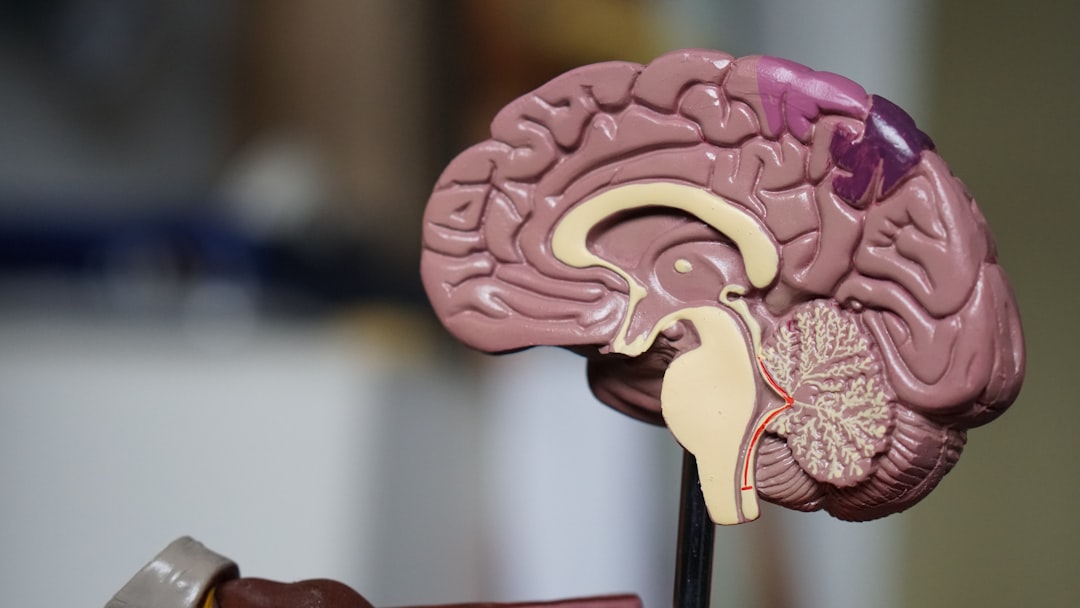
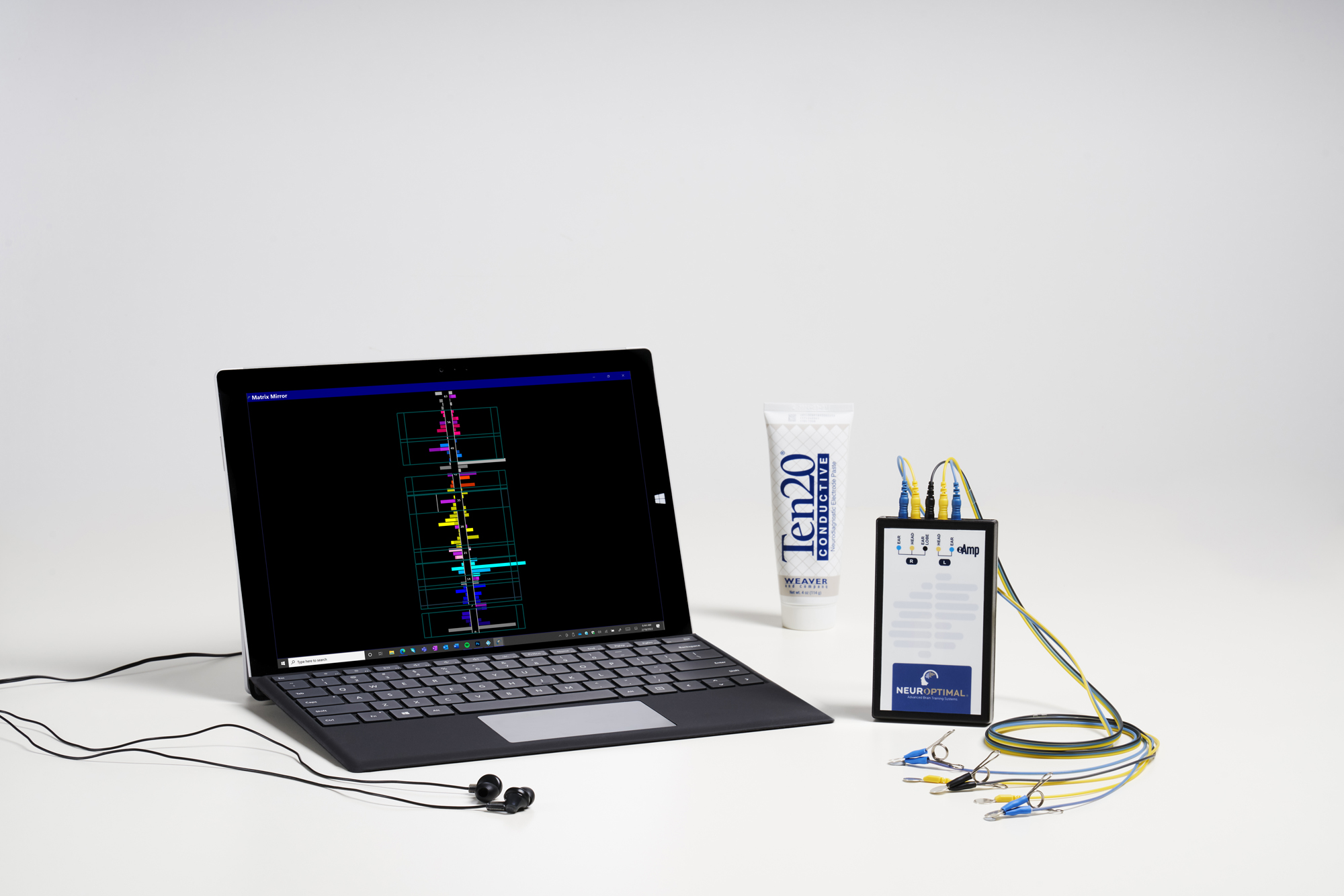
NeurOptimal® is an advanced neurofeedback system that enables the brain to reconnect with its innate self-repair and self-regulating abilities. Many challenges arise when the nervous system is dysregulated and the brain is not functioning at its optimal level; neurofeedback supports the brain in retraining itself to operate more efficiently and effectively. Using EEG and computer technology, NeurOptimal® enhances neuroplasticity and supports balanced brain performance.
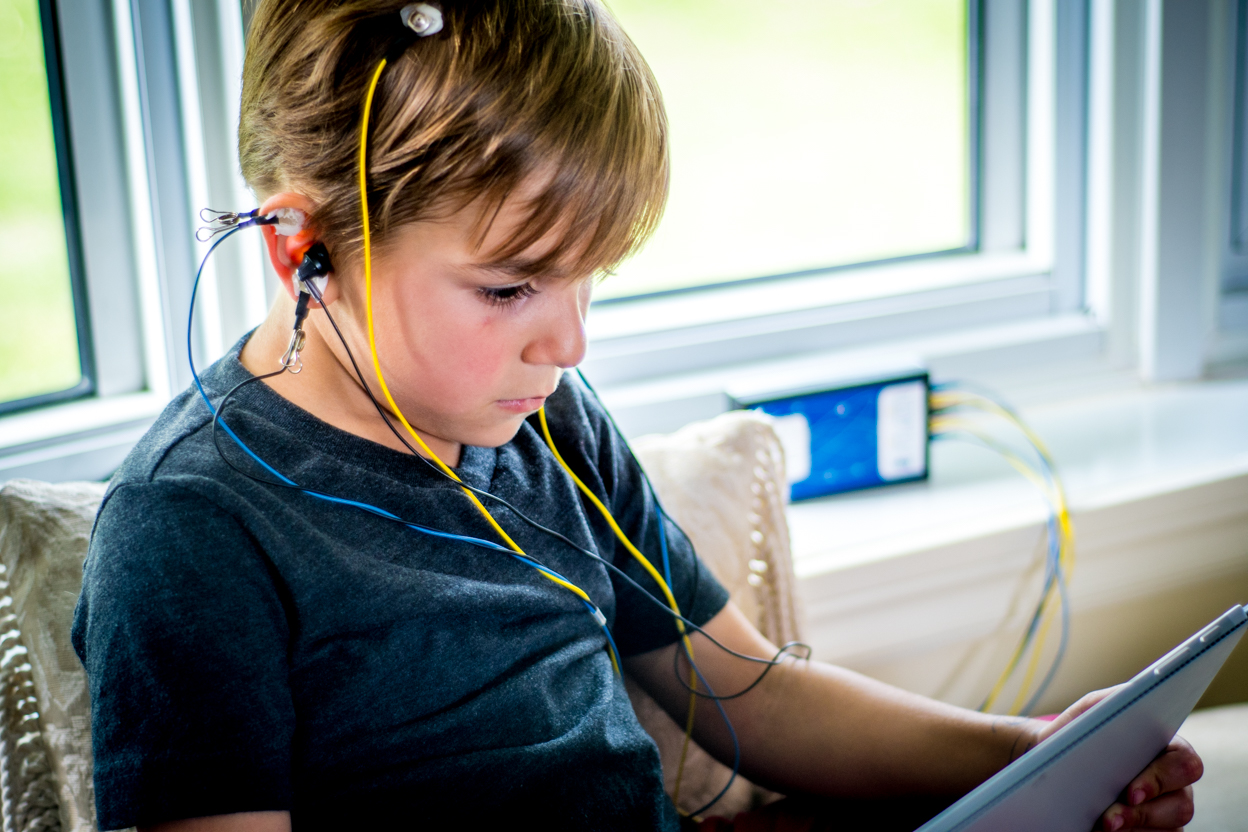
During a session, you simply relax while listening to music. The system provides gentle, real-time feedback that helps the brain recognize moments of imbalance and spontaneously return to a more stable, resilient state on its own.
Nervous System Dysregulation
Possible Signs in Students:
Emotional Signs
Emotional outbursts or meltdowns
Anxiety or excessive worry
Persistent overwhelm
Mood swings or irritability
Difficulty calming down after excitement or distress
Withdrawal or shutting down emotionally, depression
Behavioral Signs
Hyperactivity and impulsivity
Low motivation
Aggression or defiance
Difficulty paying attention
Avoidance of certain situations or tasks
Self-injurious behaviors
Nervous habits like fidgeting, nail-biting, or pacing
Physical Signs
Trouble falling/staying asleep, nightmares
Complaints of stomach aches, headaches, or other somatic symptoms without medical cause
Clenching fists, jaw, or other tense muscles
Fatigue or low energy
Social Signs
Difficulty in peer interaction
Social withdrawal
Trouble maintaining friendships
Overly reactive
Difficulty communicating needs or feelings
Persistent loneliness
-
Frequent fighting
Luke Smallcomb
Mental Health Practitioner,
MA in Clinical Counseling
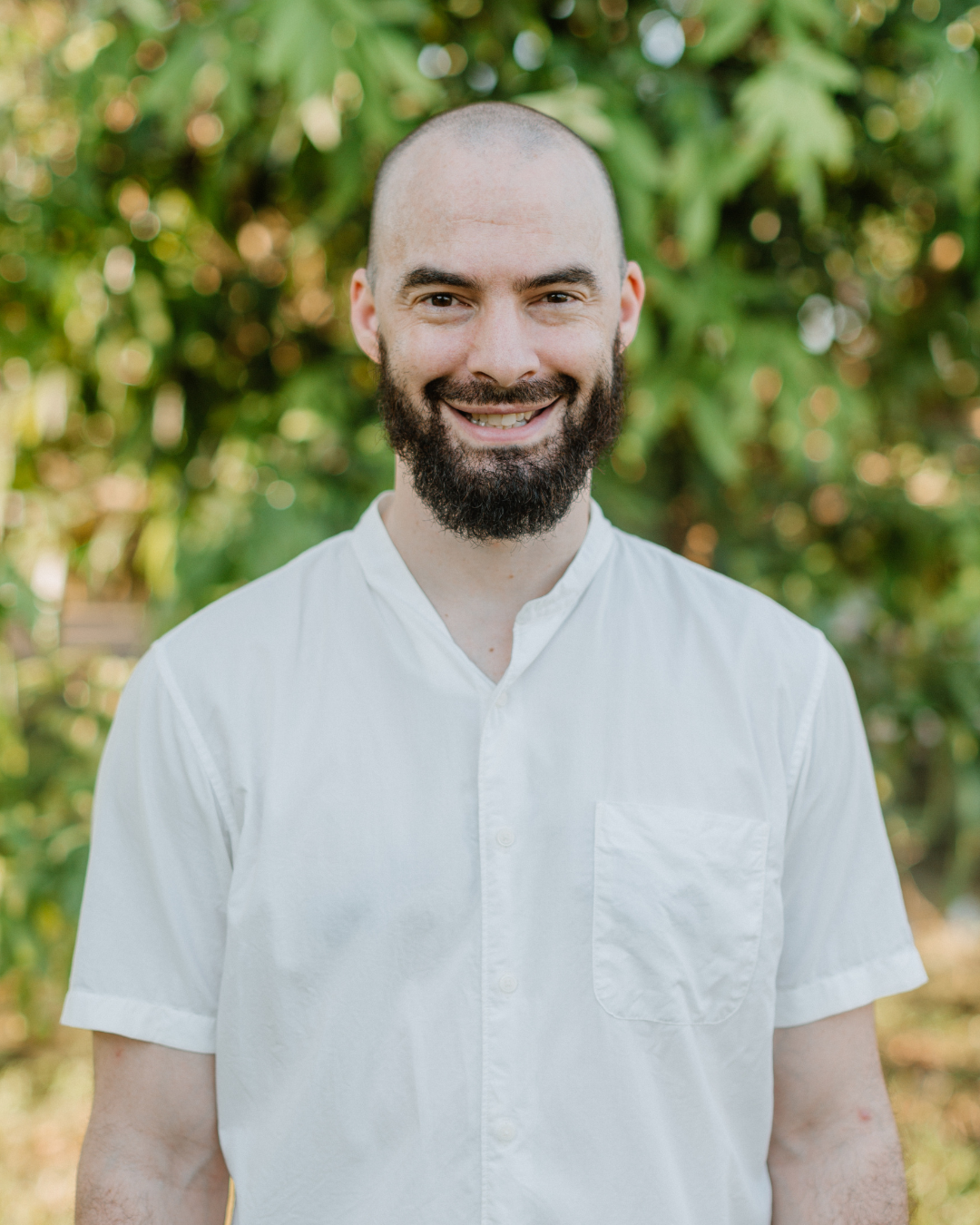
Luke is a Mental Health Practitioner with a Master’s degree in Clinical Counseling and 13+ years of experience working with children, teens, and adults. He provides compassionate support to help improve emotional well-being and relational health.
Lauren Smallcomb
NeurOptimal® Trainer, Mind-Body Practitioner, Nutritional Therapist, RN
Lauren is a Registered Nurse and Mind-Body Practitioner with 18+ years in the health and wellness field. She works with children, teens, and adults to promote resilience, regulation, and whole-body health.

Coaching
Benefits Students Often Experience With Social-Emotional Health Coaching:
-
Improved self-awareness
(the beginning of all meaningful growth)
Enhanced social skills
Increased confidence in themselves
Healthier relationships
Better coping strategies
Reduced anxiety and stress

Brain Training
Benefits Students Often Experience With NeurOptimal® Neurofeedback:
Improved cognitive function
Reduced stress and anxiety
Better emotional regulation
Stronger academic performance
Better sleep/relaxation
Peak performance in sports
Increased behavioral control
Understanding NeurOptimal®
FAQ about the Flourishing Minds Program
Neurofeedback Q&A:
What does a neurofeedback session look like?
Your student arrives and is greeted by Lauren
Sensors are gently placed on their scalp (no electricity is sent into the brain)
They relax and listen to music while their brain receives feedback
The neurofeedback session is 33 minutes
No conscious effort is required on the part of the student. As long as they can hear the music, their brain is receiving the neurofeedback. They can read, play a quiet phone game or take a nap, while Lauren sits nearby. Many clients leave feeling calmer, clearer, or deeply relaxed. As more training sessions are experienced, the brain recalibrates and clients often notice many subtle and dramatic changes to their physical and mental health.
NeurOptimal® has been utilized in over 4 million sessions across 87 countries since 1999. It has demonstrated safety and effectiveness in supporting a variety of challenges.
How does NeurOptimal® neurofeedback work?
NeurOptimal® monitors (at 256 data points per second) the brain full spectrum of electrical activity, delta through gamma, and detects any emerging shift at its earliest preconscious origins, alerting the central nervous system to its ongoing patterns, which can prompt the system to reorganize more effectively. When the brain activity shows signs of these changes, the music within the neurofeedback system is paused very briefly. This subtle cue prompts the brain that it is changing, so the brain can decide if it means to shift or if it was shifting unnecessarily. As the brain adapts to the information it is shown, it then provides new and different information for NeurOptimal® to mirror back.
This moment by moment, organic, adaptive interaction the brain is doing is why NeurOptimal® is so powerful and safe. With repeated sessions, the brain learns to reorganize itself more effectively, creating greater resilience and ability to 'bounce back' from stressors and traumas. Learn more about this form of neurofeedback on the NeurOptimal® site.
How is this NeurOptimal® neurofeedback different than Linear neurofeedback?
Unlike Linear neurofeedback, NeurOptimal®:
- Works with the brain's own intelligence
- Responds to the whole brain simultaneously, not isolated regions
- Non-directive - does not force or push the brain toward any target
- Fully automatic - no practitioner-set protocols or risk of miscalibration
- No assessment or diagnosis required to begin
- No traditional side effects
- Considered one of the safest neurofeedback systems available
-
Suitable for any age, any condition — or no condition at all
NeurOptimal® is fundamentally different from traditional neurofeedback approaches. NeurOptimal® uniquely measures and responds to time-based changes, enabling it to train the brain for flexibility and resilience in ways other systems cannot.
Dynamical Neurofeedback® does not attempt to restore electrical activity to some presumed “average” or “best” level. Instead, NeurOptimal® simply provides the central nervous system with information about what it has already done and allows the brain itself sort out the value of that information. Harnessing the brain’s intrinsic intelligence to regulate the amount of electricity necessary in any specific moment for that individual is infinitely more effective than turning the task over to even the most powerful computer processor.
We chose to offer NeurOptimal® because its approach and philosophy closely align with our belief in the brain’s remarkable capacity for change (neuroplasticity) and the body’s innate wisdom to restore balance when given the right support.
Is there anyone who shouldn't do NeurOptimal® neurofeedback?
Because NeurOptimal® is a safe, non-invasive intervention, anyone can utilize it to help achieve their health goals, including the elderly, any age child and pregnant woman. Because it is a passive form of brain training, anyone in any state of health can easily do it. All it requires is the ability to sit/lie comfortably with a few sensors on your scalp as gentle music plays.
Are there side effects from NeurOptimal® neurofeedback?
Side effects come from something that has physiologically induced change, i.e., medication or surgery. NeurOptimal® does not ‘induce’ or force changes. At first, the student may notice and respond to the shifts and changes of brain training, possibly feeling anxious or unsettled about them. However, since we do not ‘augment or inhibit’ specific protocols/frequencies like other Linear systems do, change is directed completely by the student's own brain. Any uncomfortable responses the body has to training sessions are usually short-term and balance out within a few sessions.
Social-emotional coaching Q&A:
What does a social-emotional coaching session look like?
A social-emotional coaching session is a relaxed, conversational space where Luke and the student work together to explore feelings, relationships, and behaviors.
The session usually starts with a check-in — the student shares what they want to talk about or focus on. This could be a recent conflict, a recurring emotion, or a goal they’re working toward. If they are unsure, Luke helps them explore different options. From there, Luke uses open-ended questions, reflective listening, and gentle challenges to help the student understand themselves better and uncover the feelings behind their thoughts and actions. Instead of giving advice, Luke guides the student to discover their own insights, develop empathy for themselves and others, and practice skills like managing emotions, communicating effectively, and setting boundaries. At the end of each session, there’s often a small action or goal the student can try before the next meeting, helping to turn insights into real-life changes.
Program Q&A:
Who is the Flourishing Minds Program for?
Any child can benefit from a supported, well-regulated, and balanced nervous system, which can be fostered through social-emotional coaching and neurofeedback. The Flourishing Minds Program is suitable for the following students of any age:
- Students who want to get an edge academically
- Students who want to gain an athletic advantage
- Students who want help navigating relationships
- Students who need more regulation support
- Students who struggle to focus and perform in class
- Students facing behavioral challenges
- Gifted students seeking support for emotional well-being
- Students preparing for important exams or transitions
- Students with learning disabilities
How long does the Flourishing Minds Program last?
Flourishing Minds is a joint partnership with the student, guardians and school staff. Feedback from all parties helps to direct the length of a particular student's program. 2-3 months is an average timeframe, while more support is always available if desired.
Can the Flourishing Minds Program work alongside therapy and/or medication?
Yes. Social-emotional health coaching and neurofeedback do not replace therapy or medication; instead, they help the brain and body function better, which can make other supports more effective.
What if my child doesn't like the program?
We provide a complimentary session before registration to make sure the child feels comfortable and ready to participate in the program. This is a voluntary program, and if a child decides they no longer want to continue, there is no pressure to register for the following month. Please note that refunds are not offered.
What are my responsibilities as the parent/guardian?
- Complete the Consent Form before participation.
- Submit the Payment Form.
- Ensure timely communication regarding any absences.
- Support your child as they go through the program.
- Receive a summary of their child's experience once they've finished the program.
How do I move forward?
We're glad you're considering the Flourishing Minds Program for your child. We would be honored to support them with this comprehensive approach. Contact us today with questions or to register your child! Lauren@flourishtherapy.co
| In-Person |
Flourishing Minds Program
Bi-weekly, 70 minute sessions with Luke and Lauren Smallcomb
-
Monthly package of NeurOptimal® neurofeedback and social-emotional health coaching (8 combined sessions/month)
-
NeurOptimal® Neurofeedback Practitioner: Lauren Smallcomb, RN
-
Social-Emotional Health Coach: Luke Smallcomb, MA
-
Where: At your child's school, or Flourish Therapy Office in Chiang Mai
Monthly package- 8 combined sessions
25,000 Baht
70-minute combined sessions
2x a week
Approx 3000 baht/session
“One of the key practical lessons of modern neuroscience is that the power to direct our attention has within it the power to shape our brain’s firing patterns, as well as the power to shape the architecture of the brain itself.”
Dr. Dan Siegel

If you’re curious about how the Flourishing Minds Program may support your child's growth, we invite you to schedule a free consultation
Sign up for a 30 minute complimentary session
© Copyrights by Flourish Therapy All Rights Reserved.
Neurofeedback services are for educational and wellness purposes only and are not a substitute for medical diagnosis or treatment. If you are in crisis or have medical concerns, please seek appropriate medical or emergency care.
© Copyrights by Flourish Therapy All Rights Reserved.
Neurofeedback services are for educational and wellness purposes only and are not a substitute for medical diagnosis or treatment. If you are in crisis or have medical concerns, please seek appropriate medical or emergency care.